Breast Uplift with Implants Turkey: Surgery and Care Guide
By Nasrin Health Team · November 26, 2026 · 12 min read
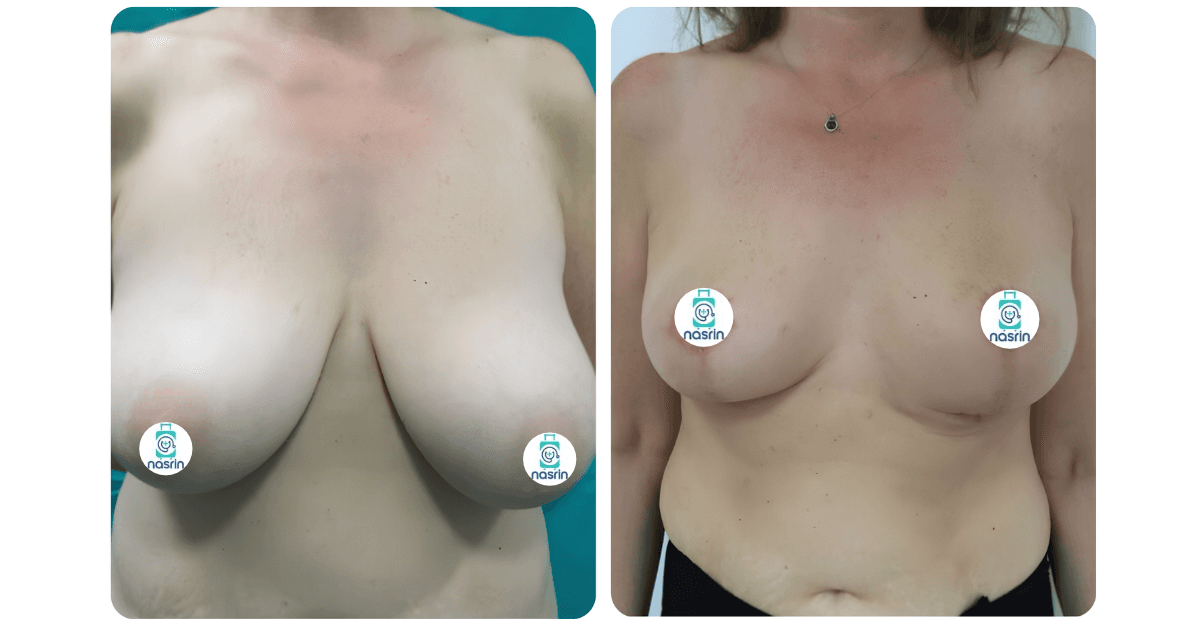
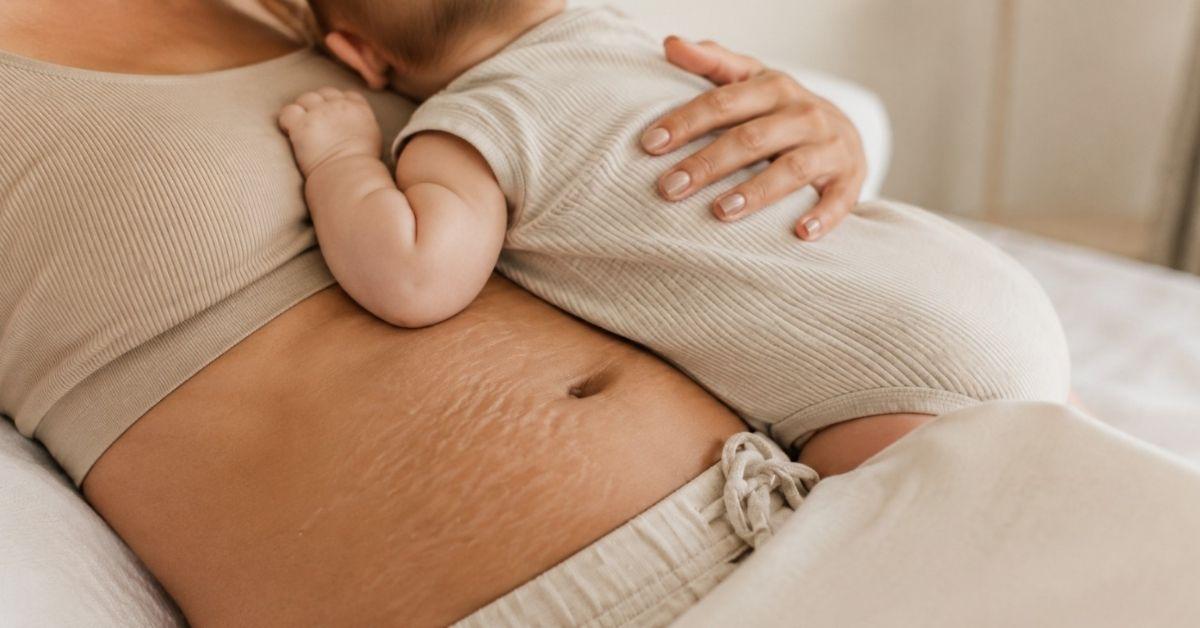
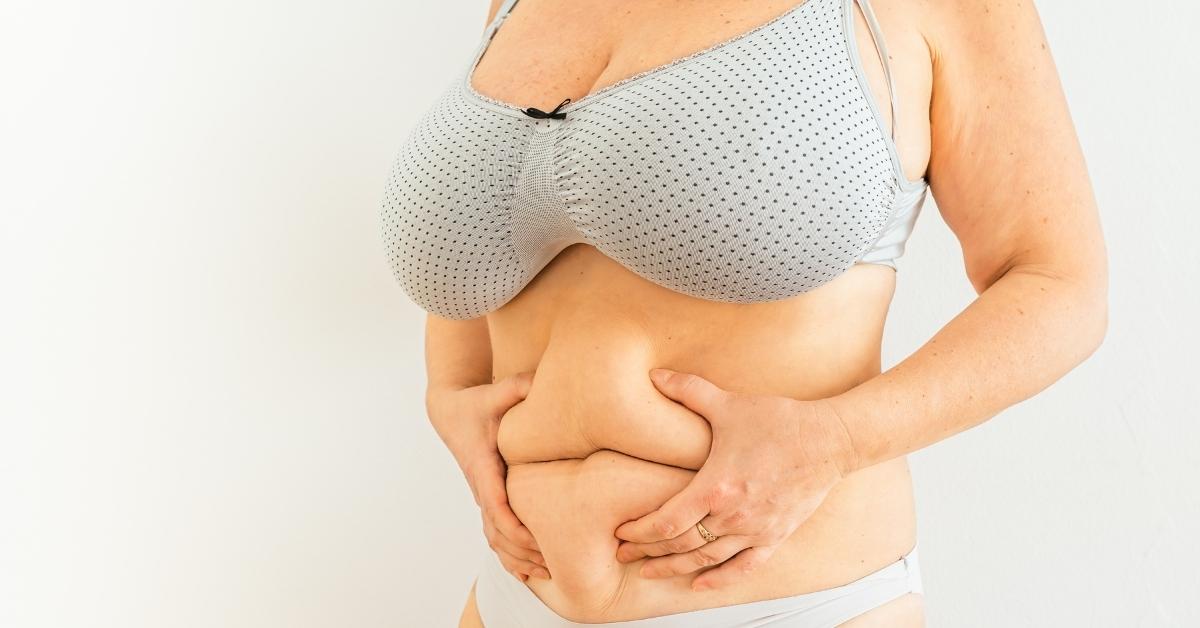
Throughout a woman's life, factors such as pregnancy, prolonged breastfeeding, significant weight loss, and the natural biological aging process profoundly affect the structural integrity of breast tissue. When the skin envelope stretches and glandular volume depletes, breasts lose their youthful position and upper-pole fullness. Historically, patients had to choose between merely lifting empty, sagging tissue or placing an implant that might look disjointed if the surrounding skin was too loose.
Today, the intersection of these two needs is met by one of the most transformative—and technically demanding—procedures in aesthetic plastic surgery: the augmentation mastopexy, commonly known as a breast uplift with implants.
In recent years, Turkey, and specifically Istanbul, has established itself as a premier global destination for this complex dual procedure. By uniting highly experienced, board-certified plastic surgeons, modern JCI-accredited clinics, and comprehensive patient care protocols, Turkey offers international patients from the UK, Europe, and North America world-class clinical outcomes. This definitive 2026 guide explores everything you need to know about navigating a breast uplift with implants in Istanbul, from surgical techniques and biological recovery to realistic costs and finding the right medical team.
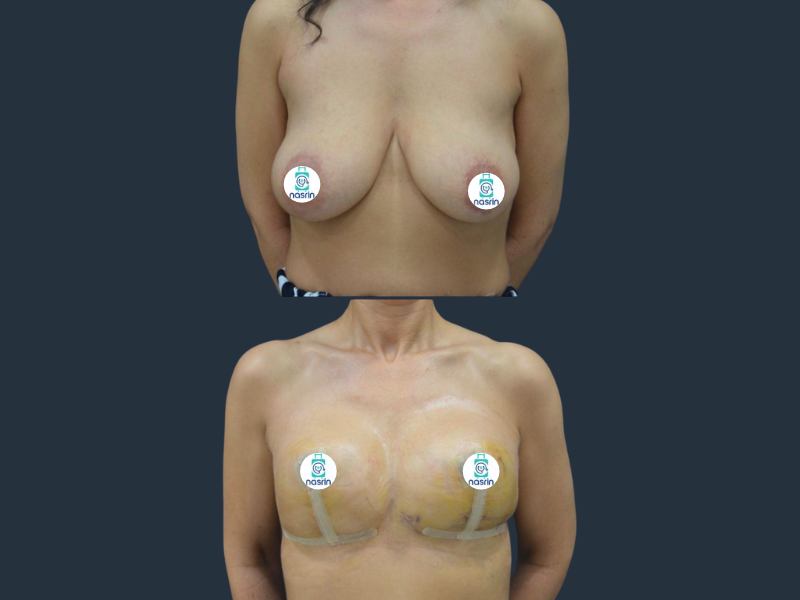
What Is a Breast Uplift with Implants (Augmentation Mastopexy)?
A breast uplift with implants is a customized combination surgery designed to simultaneously address two distinct anatomical issues: severe tissue ptosis (sagging) and volume depletion.
If a patient with significant sagging only receives an implant, the heavy breast tissue may slide off the prosthesis over time, creating a "waterfall" or "Snoopy dog" deformity. Conversely, if a patient with deflated breasts only receives a lift, the breast will be perky but may lack desired cleavage or upper-chest projection.
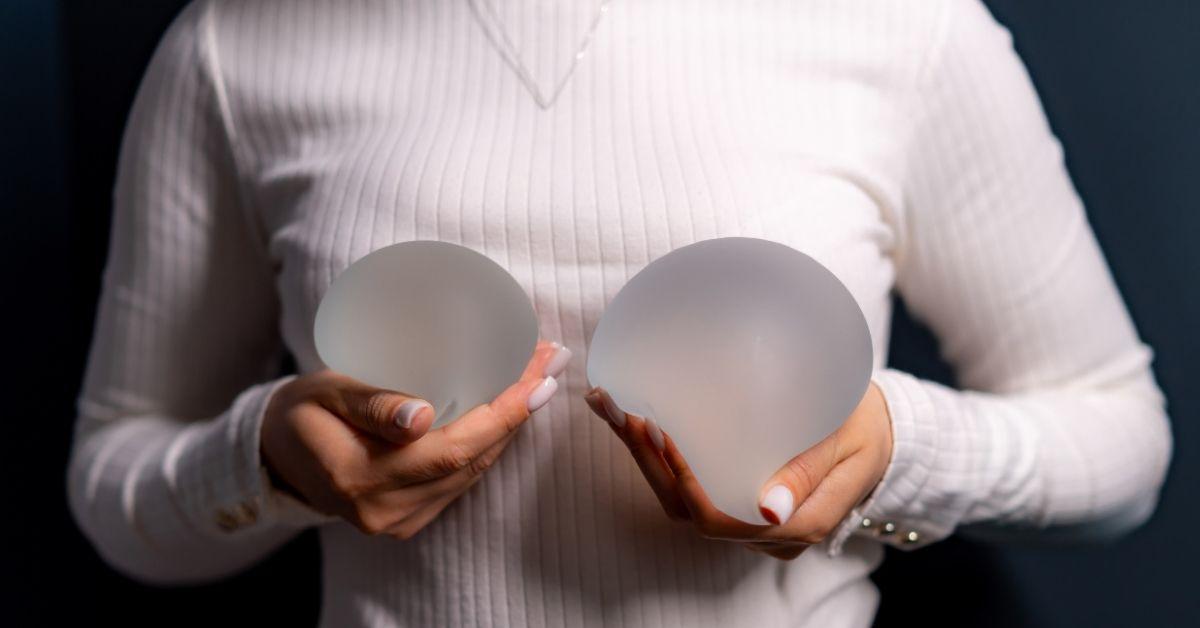
By combining the two, the surgeon performs a mastopexy (removing excess, inelastic skin and elevating the nipple-areolar complex to a higher, more youthful position on the chest wall) while simultaneously placing a cohesive silicone gel breast implant to restore lost volume, shape, and internal structural support.
What Does It Do? The Core Aesthetic Benefits
Choosing to undergo a simultaneous breast lift and augmentation provides a comprehensive rejuvenation of the upper torso. The primary benefits include:
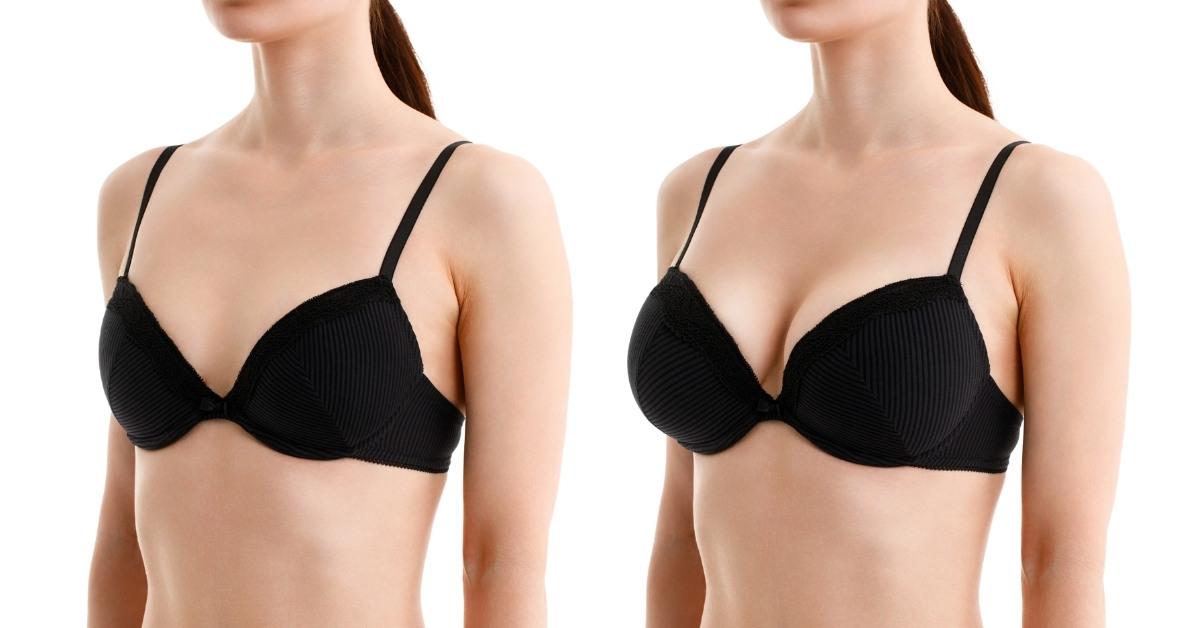
Restored Upper-Pole Fullness: Implants provide the internal scaffolding necessary to recreate cleavage and fill out the upper chest area, which is typically the first place volume is lost after nursing.
Elevated Nipple Position: The nipple-areolar complex (NAC), which often points downward in ptotic breasts, is surgically repositioned to sit at the apex of the newly shaped breast mound.
Corrected Asymmetry: It is entirely normal for breasts to differ in size, shape, or degree of sagging. This combined procedure allows the surgeon to use different implant profiles or varying degrees of skin excision to create optimal bilateral symmetry.
A Firmer, Youthful Contour: By removing stretched, redundant skin, the remaining dermal envelope is tightened securely over the implant, resulting in a firm, self-supporting breast structure.
Enhanced Clothing Fit: Patients find that swimwear, structured dresses, and athletic wear fit smoothly and comfortably, often eliminating the need for heavy underwire push-up bras.
How Is the Surgery Performed? Step-by-Step
Because an augmentation mastopexy balances two opposing surgical forces—adding volume (which stretches skin) and lifting (which tightens skin)—it requires elite surgical planning. In top Istanbul clinics, the procedure generally takes 2.5 to 4 hours under general anesthesia.
Pre-Operative Anatomical Mapping: While the patient is awake and standing, the surgeon carefully draws surgical vectors on the chest, marking the new, ideal nipple position and determining the precise amount of skin to be excised.
Incision and Skin Resection: Depending on the degree of sagging, the surgeon utilizes one of three standard mastopexy incision patterns to remove the excess skin:
Periareolar (Donut Lift): A circular incision around the edge of the areola. Best for mild sagging.
Vertical (Lollipop Lift): An incision around the areola extending vertically down to the breast crease. Ideal for moderate sagging.
Anchor (Inverted-T Lift): An incision around the areola, vertically down, and horizontally along the breast crease. Required for severe sagging and significant skin laxity.
Pocket Creation and Implant Placement: The surgeon creates a precise pocket to hold the implant. In modern Turkish aesthetic surgery, a Dual-Plane (Subpectoral) placement is highly preferred. The upper portion of the implant sits beneath the pectoralis major muscle, while the lower portion sits behind the breast gland. This cushions the implant, provides a natural slope, and reduces the risk of capsular contracture.
Tissue Reshaping and Closure: The breast tissue is reshaped and tightened over the implant. The nipple is secured in its new, elevated position. The incisions are meticulously closed using layered, dissolvable internal micro-sutures to ensure fine, discrete scarring.
Who Is an Ideal Candidate (and Who Should Reconsider)?
Candidate selection is crucial in medical aesthetics. Not everyone presenting with breast dissatisfaction requires both a lift and an implant.
Patient Profile
Ideal Candidate Characteristics
Factors Requiring Alternative Plans or Delay
Anatomical Presentation
Nipples fall below the breast crease; deflated upper poles; stretched skin envelope.
Nipples sit above the crease but lack volume (needs augmentation only); massive, heavy breasts (needs reduction).
Family Planning
Has completed family planning and finished breastfeeding for at least 6 months.
Currently pregnant, nursing, or planning a pregnancy in the near future (pregnancy alters results).
Body Weight
At a stable, sustainable target weight for at least 3 to 6 months.
Actively engaged in a massive weight loss program or experiencing severe weight fluctuations.
General Health
Non-smoker, good cardiovascular health, realistic expectations regarding scarring.
Active nicotine user (high risk of nipple necrosis); uncontrolled diabetes or autoimmune conditions.
Before and After the Treatment: The Care Guide and Recovery
Undergoing a combination breast surgery involves a dedicated biological healing timeline. Understanding the before-and-after protocols ensures a smooth, complication-free recovery.
Pre-Operative Preparation
Before traveling to Turkey, patients undergo a thorough medical evaluation. You must halt all blood-thinning medications, NSAIDs (like aspirin and ibuprofen), and herbal supplements (such as Vitamin E and Omega-3s) two weeks prior. Absolute cessation of smoking and vaping is recommended for at least 4 to 6 weeks before surgery, as nicotine constricts blood vessels and can severely compromise the healing of lifted skin and nipple tissue.
The Phased Recovery Timeline
Biological healing is a gradual process. Here is what to expect during your recovery in Istanbul and after returning home:
Recovery Phase
Timeframe
Physical Sensations & Care Protocols
Phase 1: Acute Healing
Days 1 – 3
Breasts feel tight, swollen, and sit artificially high on the chest. Surgical drains (if used) are managed. Continuous wear of a medical compression bra is required.
Phase 2: Early Mobility
Days 4 – 14
Drains are removed. Incisions begin to seal. You can take light walks and return to desk work. Arms should not be lifted above shoulder height to avoid stretching incisions.
Phase 3: The "Drop and Fluff"
Weeks 3 – 8
Pectoral muscles relax, allowing the implants to descend naturally into the lower pole. The breasts become softer, rounder, and assume a more natural teardrop shape.
Phase 4: Active Resumption
Weeks 6 – 12
Clearance is typically given for lower-body gym exercises, swimming, and transitioning from surgical bras to standard (non-underwire) supportive bras.
Phase 5: Scar Maturation
Months 6 – 12
Deep internal healing concludes. Red or pink incision lines begin fading into fine, white, skin-toned marks. Final shape and volume settle permanently.
Breast Uplift with Implants Costs: Turkey vs. UK, US, and Europe
Cost is one of the primary drivers behind the global medical tourism movement, but it must be balanced against clinical quality. In Western Europe, the UK, and North America, a combined breast uplift with implants is considered a premium, time-intensive procedure. Surgeons often bill the lift and the augmentation as two separate line items, with anesthesia, hospital theater fees, and aftercare garments added on top.
Turkey disrupts this model by offering transparent, all-inclusive medical travel packages that consolidate costs without sacrificing the standard of medical care or the quality of the implants used (such as FDA-approved Mentor or Motiva implants).
Country / Region
Average Procedure Cost (2026)
Typical Financial Structure & Inclusions
United Kingdom (London)
£9,000 – £14,000 (€10,500 – €16,500)
Clinical fees only. Overnight stays and comprehensive aftercare often billed separately.
United States (NYC / LA)
$12,000 – $22,000+ (€11,000 – €20,000+)
Surgeon fee; operating room rentals, implants, and anesthesia are extra costs.
Germany / Western Europe
€9,000 – €15,000
Private clinic fees; patients manage their own logistical travel and accommodations.
Turkey (Istanbul)
€3,800 – €6,500 (£3,200 – £5,500)
All-Inclusive Package: Premium implants, hospital stay, general anesthesia, 4/5-star hotel, VIP transfers, and bilingual coordination.
Note: The cost in Turkey reflects structural economic differences, lower operational overhead, and favorable exchange rates—not a compromise in the caliber of surgeons, clinical hygiene, or implant quality.
Why Istanbul, Turkey for Breast Surgery? Clinics and Doctors
Turkey has intentionally positioned itself as a global superpower in medical aesthetics. The reasons international patients select Istanbul extend far beyond affordability:
High-Volume Surgical Mastery: Because Istanbul serves an international demographic, board-certified Turkish plastic surgeons perform augmentation mastopexies at volumes rarely seen in Western private practices. This intense daily experience hones their ability to handle complex asymmetries, varying skin elasticities, and diverse anatomical challenges.
JCI-Accredited Hospitals: Medical tourism in Istanbul is strictly regulated. Top-tier surgeries are not performed in back-room clinics; they take place in full-service, multi-specialty hospitals carrying Joint Commission International (JCI) accreditation. These facilities are equipped with intensive care units, advanced sterilization protocols, and comprehensive nursing staff.
Premium Implant Technology: Leading Istanbul clinics utilize the exact same sixth-generation cohesive silicone gel implants (often called "gummy bear" implants) used in Beverly Hills or London. Brands like Motiva, Mentor, and Polytech are standard, complete with international warranties and serial number tracking.
Seamless Medical Travel Logistics: Navigating surgery in a foreign country can be daunting, which is why the Turkish ecosystem is built around convenience. Dedicated medical travel agencies provide end-to-end support, arranging VIP airport transfers, luxury hotel recovery, and dedicated patient coordinators who translate and advocate for you during every medical consultation.
Frequently Asked Questions (F.A.Q)
1. How long do I need to stay in Istanbul for a breast uplift with implants?
International patients should plan to stay in Istanbul for 4 to 6 nights. This timeframe allows for your detailed pre-operative consultation and medical testing, the surgery with a 1-to-2-night hospital stay, and adequate resting time at your hotel before your final clinical check-up and "fit-to-fly" clearance.
2. Can I still breastfeed after an augmentation mastopexy?
While primary breast augmentation under the muscle generally preserves breastfeeding capacity, a mastopexy involves rearranging the breast tissue and moving the nipple-areolar complex. Depending on the surgical technique used (especially anchor or lollipop lifts), milk ducts and glandular tissue may be intersected. While some women can breastfeed successfully post-surgery, it is generally advised to consider this procedure only after you have completed building your family.
3. Will the scars from a breast lift fade?
Yes. Although a breast lift involves visible incision lines, plastic surgeons utilize meticulous multi-layered suturing techniques to minimize tension on the skin. Initially, scars will appear pink or red. Over the course of 12 to 18 months, with the diligent use of silicone scar gels and strict sun protection, these incisions typically fade into flat, faint lines that are easily concealed beneath bras and swimwear.
4. How long do breast implants last? Do they need to be replaced after 10 years?
Modern cohesive silicone gel implants do not have an expiration date. The outdated "10-year rule" applied to older saline and liquid silicone models. Today, if your annual breast exams (including ultrasound or MRI) confirm the implants are intact, and you are satisfied with the aesthetic appearance, they do not need to be electively replaced. However, future weight fluctuations and natural aging may prompt a patient to seek a revision lift a decade or more later.
5. Is the recovery extremely painful?
The sensation is most commonly described as intense muscle tightness, heavy pressure on the chest, and soreness, rather than sharp pain. Because the implant is usually placed beneath the pectoral muscle, you will feel like you completed an extremely heavy upper-body workout. This discomfort is highly manageable with the analgesics and muscle relaxants prescribed by your Turkish medical team for the first 3 to 5 days.
A Premium Experience with Nasrin Health
Reclaiming your bodily proportions and self-confidence through an augmentation mastopexy requires exceptional surgical precision and reliable, stress-free logistical coordination. Nasrin Health structures your entire medical travel journey in Turkey into a transparent, comfortable, and clinically secure experience.
From your initial digital evaluation and virtual consultation to your final post-operative clearance in Istanbul, our dedicated team manages every operational detail. We provide direct access to Istanbul's leading board-certified plastic surgeons, state-of-the-art JCI-accredited surgical hospitals, vetted luxury hotel accommodations, private VIP airport-hotel-clinic transfers, and dedicated bilingual coordinators who support you at every clinical step.
Empowering Your Personal Transformation
Deciding to undergo a breast uplift with implants is a deeply personal and empowering milestone. Ensuring clinical safety, achieving natural-looking aesthetics, and experiencing true peace of mind requires a compassionate, experienced team that prioritizes patient-first care. Nasrin Health is dedicated to serving as your trusted organizational partner throughout this journey.
Transparency Commitment: Nasrin Health is a licensed international health tourism agency based in Istanbul. Our role is organizational and consultative—connecting your aesthetic objectives with Turkey's leading board-certified plastic surgeons and JCI-accredited surgical hospitals. We coordinate clinical bookings, luxury accommodations, and private VIP transfers so you can dedicate your full attention to rest, recovery, and revitalization.
Disclaimer: This guide is intended solely for educational and informational purposes and does not substitute for professional medical advice, diagnosis, or personalized surgical consultation. Individual surgical outcomes, tissue healing, scar maturation, and recovery timelines depend on personal baseline anatomy, skin elasticity, overall health, and strict adherence to post-operative instructions. Nasrin Health operates strictly as an authorized intermediary health tourism agency.
You May Also Like
 Rhinoplasty
November 17, 2026
Preservation Rhinoplasty Turkey: Best Natural Results Guide
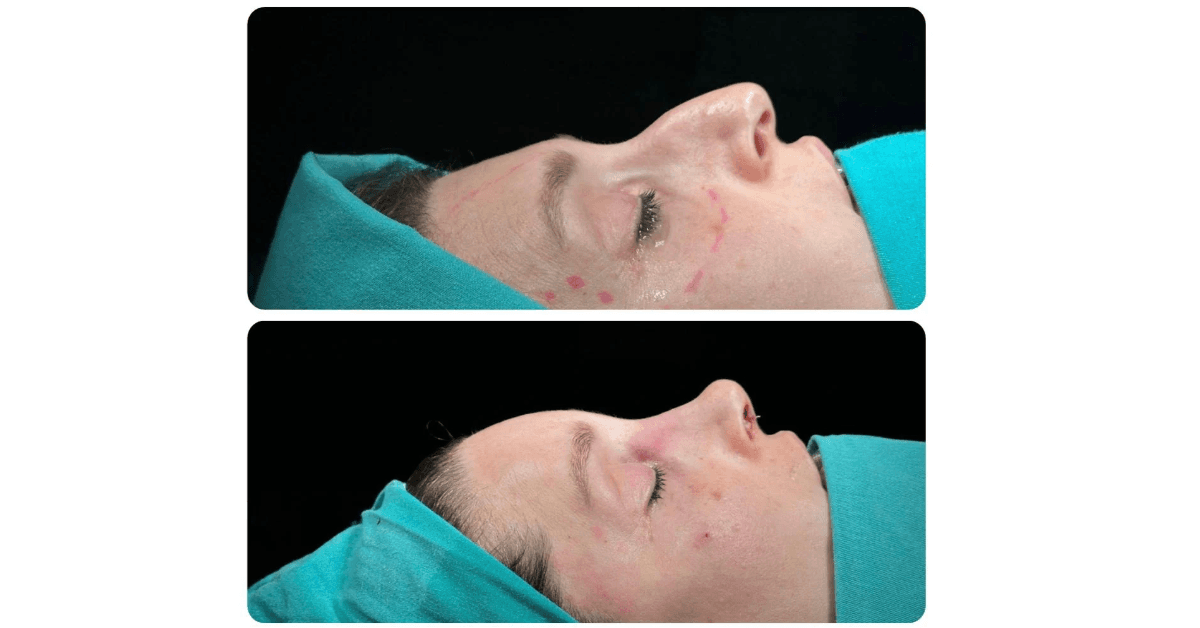
For decades, aesthetic nasal surgery relied on a destructive approach: breaking down the bridge of the nose with rasps and chisels, removing bone and cartilage from the top, and attempting to rebuild the roof afterward. While effective at reducing size, this traditional method frequently left behind unnatural slopes, visible bumps as swelling subsided, or long-term breathing difficulties caused by collapsed internal nasal valves.
Read More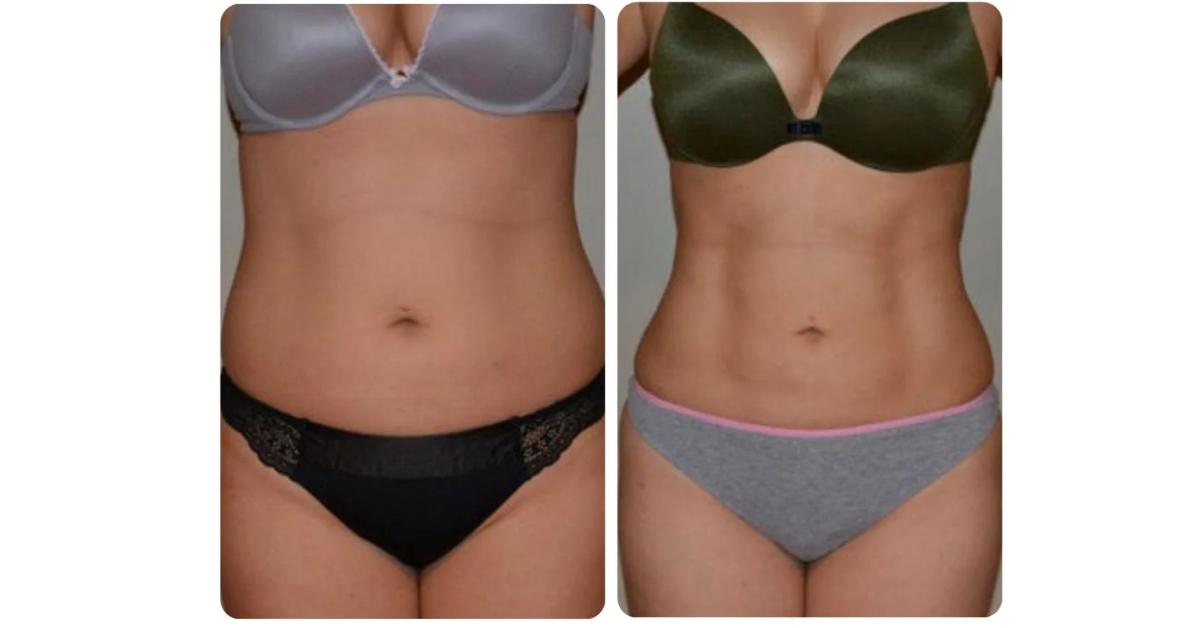 Body Contouring
November 12, 2026
360 High-Definition Vaser Liposuction Costs in Turkey
Attaining an athletic, toned midsection and a balanced waist-to-hip ratio often presents a biological hurdle that diet and exercise alone cannot overcome. Even dedicated fitness enthusiasts frequently encounter hormonally stubborn fat deposits distributed circumferentially around the lower abdomen, flanks ("love handles"), and lower back. When conventional liposuction was introduced, it focused almost exclusively on debulking—removing large pockets of deep fat through mechanical force, which...
Read More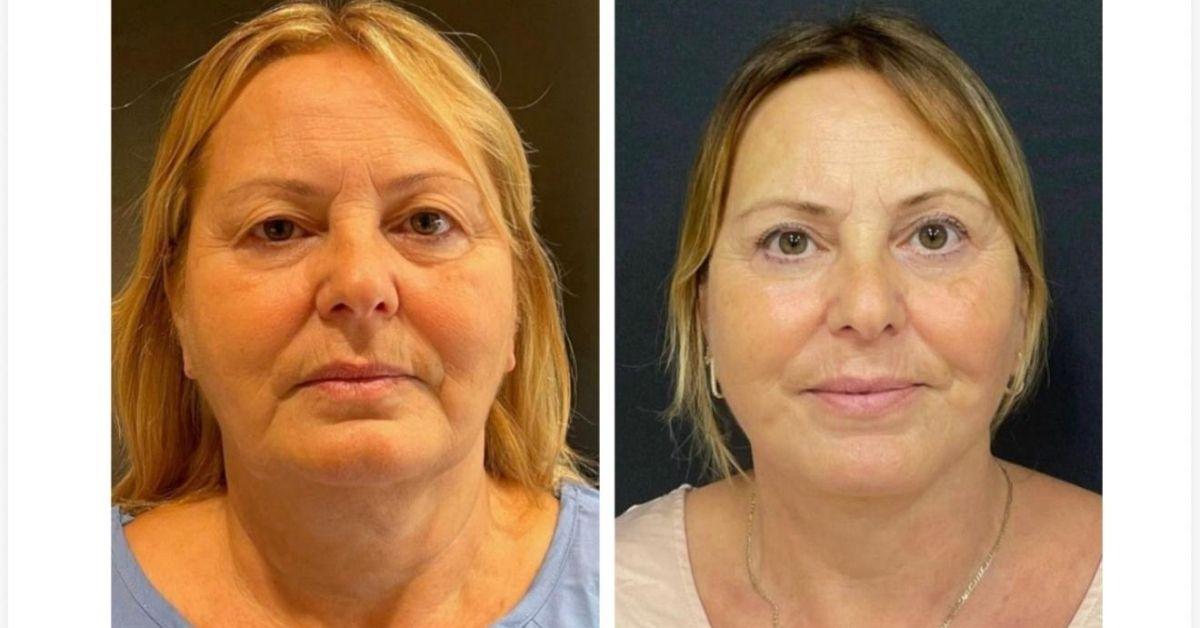 Facelift
November 10, 2026
Deep Plane Facelift in Turkey: Real Recovery and Costs Guide
Aging across the lower two-thirds of the face is an intricate anatomical process. While dermal fillers and non-invasive energy devices provide temporary improvements in early stages, they cannot overcome the structural descent of deeper facial tissues. Over time, facial retaining ligaments loosen, malar fat pads descend into prominent nasolabial folds, and the superficial musculoaponeurotic system (SMAS) slackens, creating jowls that soften the jawline and blur the angle between the chin and...
Read More