Preservation Rhinoplasty Turkey: Best Natural Results Guide
By Nasrin Health Team · November 17, 2026 · 12 min read
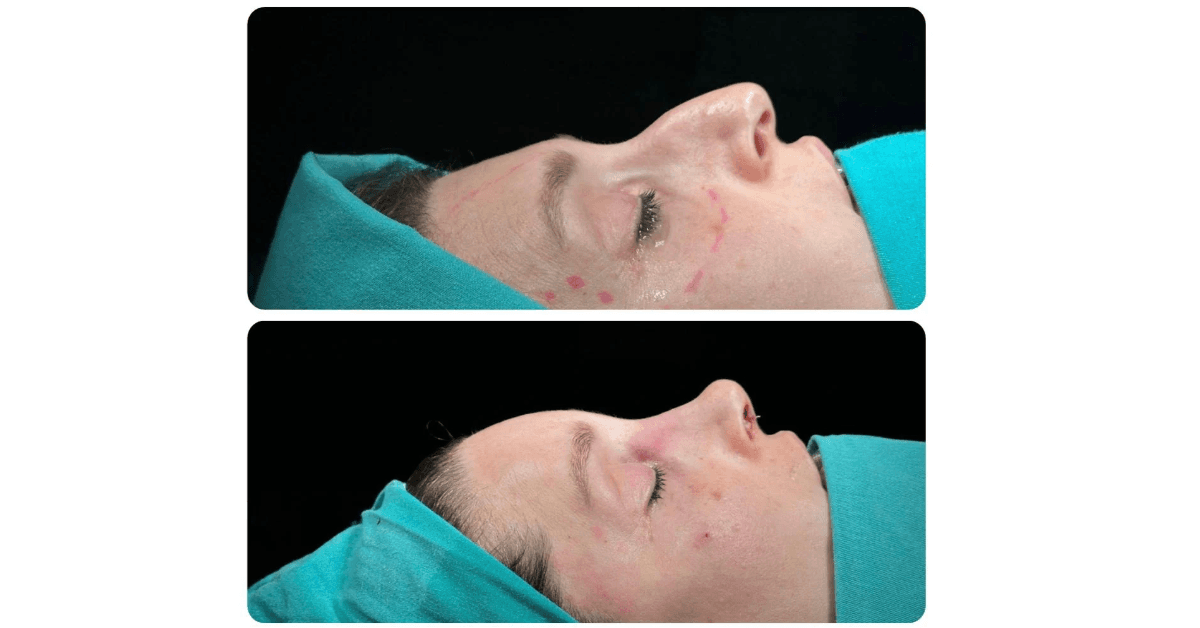
For decades, aesthetic nasal surgery relied on a destructive approach: breaking down the bridge of the nose with rasps and chisels, removing bone and cartilage from the top, and attempting to rebuild the roof afterward. While effective at reducing size, this traditional method frequently left behind unnatural slopes, visible bumps as swelling subsided, or long-term breathing difficulties caused by collapsed internal nasal valves.
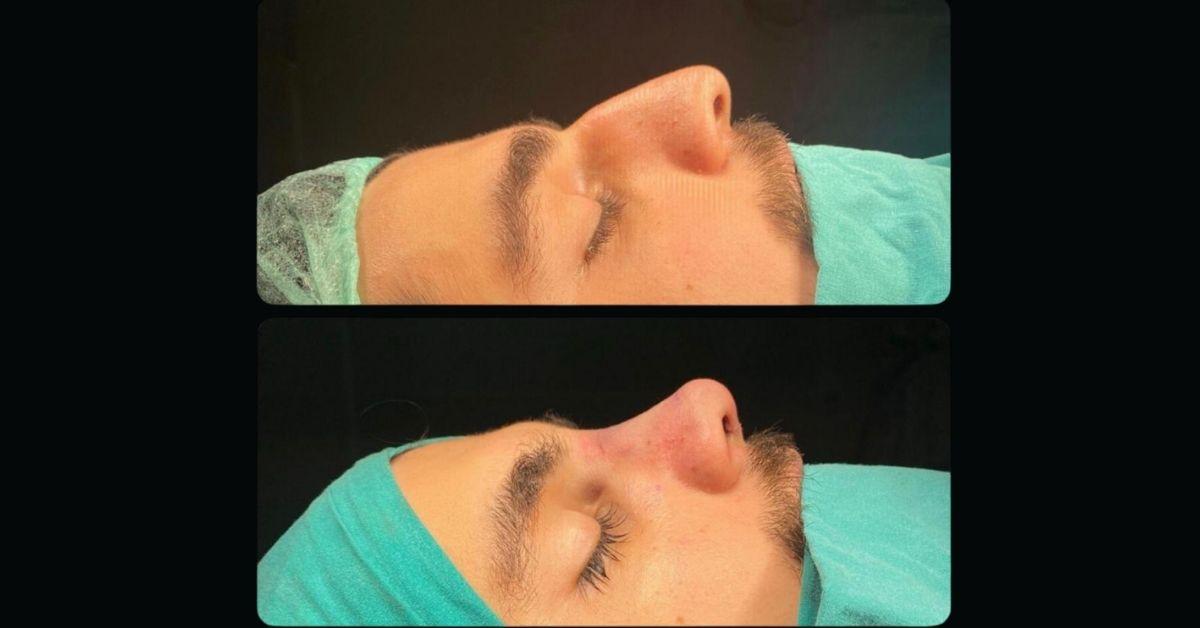
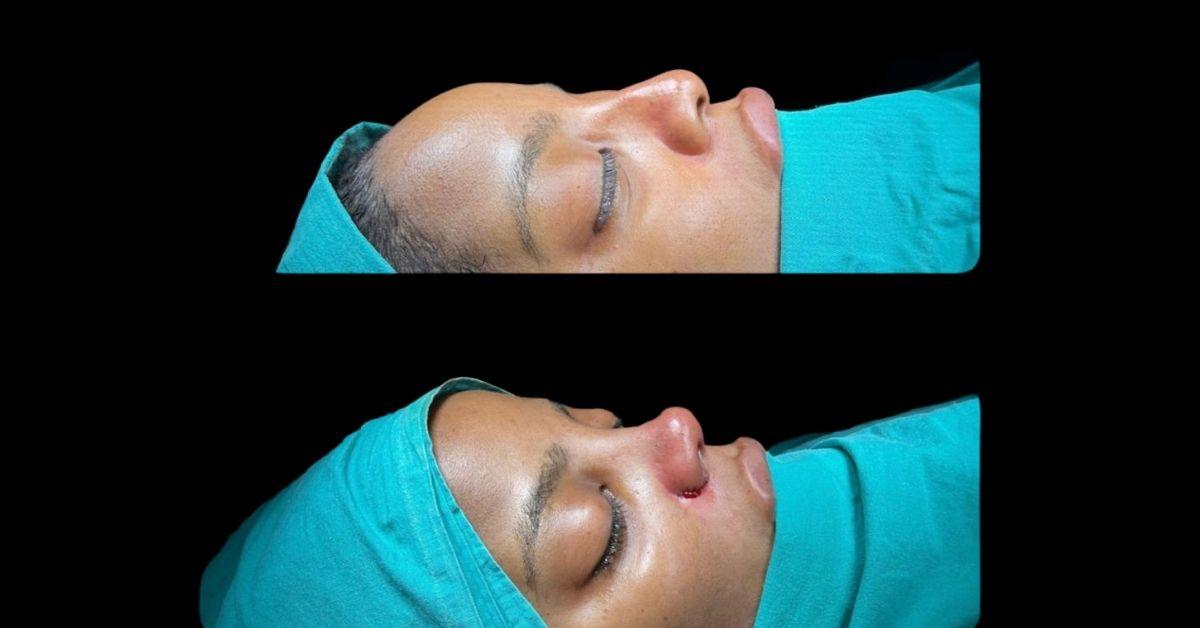
Preservation rhinoplasty has fundamentally rewritten that playbook. Instead of cutting away the natural roof of the nose, surgeons lower the entire nasal pyramid from underneath—keeping the native bone, upper lateral cartilages, and delicate ligamentous support completely intact. The result is a smoother bridge, preserved nasal airflow, and a profile that looks effortlessly natural rather than surgically manufactured.
Today, Istanbul, Turkey stands at the global epicenter of this technique. Home to pioneers of modern dorsal preservation and high-volume facial plastic surgeons, the city attracts international patients from the UK, Europe, and North America seeking refined, predictable outcomes without Western surgical waitlists or fragmented hospital billing.
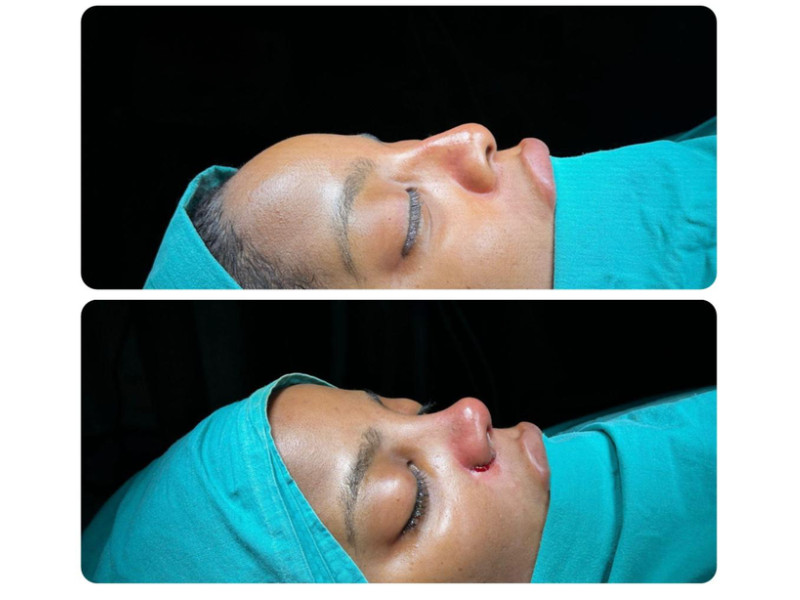
What Is Preservation Rhinoplasty? Understanding the Core Philosophy
Preservation rhinoplasty is a modern surgical philosophy designed to reshape the nose while maintaining its original anatomical architecture. Rather than destroying and reconstructing the nasal bridge (dorsum), the surgeon modifies the underlying foundation so the intact bridge settles smoothly into a lower, more harmonious position.
Modern preservation surgery rests on three clinical pillars:
Dorsal Preservation (Bridge Integrity): The bony and cartilaginous roof of the nose—including the critical "keystone area" where bone meets cartilage—is preserved as a single, continuous unit. This eliminates the need for artificial spreader grafts and prevents the dreaded "inverted-V" deformity that can occur when a bridge is cut open.
Soft Tissue & Ligament Preservation: Dissection is performed in a deeper anatomical plane (subperichondrial and subperiosteal) right against the bone and cartilage. By keeping the overlying skin, muscles, blood vessels, and Pitanguy's ligament intact, post-operative bruising is reduced and skin elasticity remains healthy.
Alar Cartilage Preservation: Instead of trimming away large portions of nasal tip cartilage—which can weaken the tip and cause pinching years later—surgeons reshape and stabilize the existing tip cartilages using precision sutures.
How Does Preservation Rhinoplasty Work? Push-Down vs. Let-Down Techniques
To lower a dorsal hump without cutting the top of the bridge, surgeons remove a small strip of cartilage and bone from the septum beneath the bridge, creating space for the intact nasal pyramid to descend. Depending on the size of the hump and nasal width, surgeons use one of two primary maneuvers:
Surgical Technique | How It Works | Best Anatomical Fit | Key Advantage |
Push-Down Technique | Lateral nasal bones are mobilized inward and the entire intact nasal pyramid is pressed downward into the maxillary space. | Small-to-moderate dorsal humps (generally under 4 mm) with a narrow, symmetrical bridge. | Minimal modification to the outer nasal walls; preserves natural dorsal aesthetic lines effortlessly. |
Let-Down Technique | Small wedges of bone are removed from the base of the lateral nasal walls (pyriform aperture), allowing the bridge to drop straight down cleanly. | Larger dorsal humps (over 4 mm) or wider nasal bases requiring more vertical descent. | Prevents widening of the nasal base when lowering a prominent hump while keeping the roof untouched. |
In leading Istanbul clinics, surgeons routinely pair these preservation maneuvers with Piezo ultrasonic instruments. Using high-frequency sound vibrations rather than manual hammers, Piezo tools sculpt bone with sub-millimeter precision while leaving soft tissues and blood vessels unharmed.
Benefits of Preservation Rhinoplasty Over Structural Rhinoplasty
Choosing preservation over traditional structural resection offers clear physiological and aesthetic advantages:
Unmatched Natural Dorsal Lines: Because the natural bridge is never cut open, light reflects off the nose smoothly. There are no sharp edges, artificial scoops, or palpable step-offs along the bridge.
Protected Internal Nasal Valves: Traditional hump removal disrupts the junction between the septum and upper lateral cartilages, often narrowing the internal airway. Preservation keeps this junction intact, safeguarding—and frequently improving—nasal breathing.
Reduced Swelling and Faster Early Recovery: Operating beneath the blood vessels and preserving nasal ligaments significantly limits surgical trauma, leading to less facial bruising and quicker resolution of early edema.
Lower Revision Rates: By avoiding cartilage over-resection and maintaining structural stability, the nose ages naturally without collapsing or pinching over time.
Who Is an Ideal Candidate (and Who Should Consider Alternatives)?
While preservation rhinoplasty delivers exceptional results, it is not a universal solution for every nose. Careful anatomical evaluation is essential.
Candidate Profile | Ideal Preservation Candidates | When Structural Rhinoplasty Is Better |
Surgical History | Primary (first-time) rhinoplasty patients with untouched dorsal anatomy | Revision (secondary) patients whose native bridge was already removed in prior surgery |
Bridge Symmetry | Straight nasal bridge or mild-to-moderate C-shaped deviation | Severe S-shaped crooked noses or heavy post-traumatic bone fractures |
Dorsal Hump Shape | V-shaped hump with a smooth, single-curve profile ("tension nose") | Complex, irregular humps with deep radix depressions requiring grafting |
Skin Thickness | Thin-to-medium skin where even tiny bridge irregularities would show | Extremely thick, sebaceous skin requiring strong structural tip grafts for definition |
Aesthetic Goal | Desires a natural, balanced refinement that fits their face without looking "done" | Desires a dramatic change in nasal length, heavy augmentation, or major reconstruction |
Preservation Rhinoplasty vs. Non-Surgical Medical Aesthetics ("Liquid Nose Job")
Many patients initially explore non-surgical rhinoplasty—using hyaluronic acid dermal fillers to camouflage a dorsal hump—before committing to surgery. Comparing both approaches clarifies their distinct roles:
Evaluation Metric | Non-Surgical Liquid Rhinoplasty (Fillers) | Preservation Rhinoplasty Surgery |
Mechanism | Adds volume above and below a hump to create the optical illusion of a straight line | Actually lowers the bony and cartilaginous pyramid into the face to reduce size |
Nasal Size Impact | Makes the nose physically larger and heavier on the face | Refines and reduces dorsal height and tip projection proportionally |
Breathing Function | Zero functional benefit; cannot fix a deviated septum | Can be combined with septoplasty to permanently clear obstructed airways |
Safety Profile | Carries rare but serious vascular occlusion risks in the nasal tip/glabella | Safe, controlled procedure performed in an accredited hospital theater |
Longevity | Temporary (9 to 18 months); requires ongoing maintenance injections | Permanent structural transformation that ages naturally with your face |
Step-by-Step: How Preservation Rhinoplasty Is Performed in Istanbul
A typical preservation rhinoplasty takes 2 to 3 hours under general anesthesia in an accredited surgical hospital.
Closed or Open Access: Many Istanbul surgeons perform preservation rhinoplasty via a closed (endonasal) approach, placing all incisions inside the nostrils so zero external scars remain. When complex tip asymmetry requires direct visualization, a micro-open approach with a tiny, hidden columellar incision is used.
Subperichondrial Dissection: The surgeon elevates the soft tissue envelope in a clean, bloodless plane directly over the cartilage and bone, keeping ligaments intact.
Septal Strip Excision & Mobilization: A precisely measured strip of septal cartilage is removed beneath the bridge. Using ultrasonic Piezo tools, the lateral nasal bones are released.
Push-Down or Let-Down Maneuver: The intact nasal bridge is gently lowered to the planned height and secured internally with fine sutures to prevent any rebound.
Tip Refinement & Splinting: Tip cartilages are sculpted with sutures for subtle definition. Soft silicone internal splints (with breathing airways, avoiding painful gauze packing) and a protective external thermoplastic splint are applied.
Real Recovery Timeline: Before & After Milestones
While preservation techniques often reduce early bruising, biological tissue healing follows a steady timeline:
Timeframe | Recovery Stage | What to Expect & Key Milestones |
Days 1 – 3 | Acute Healing | Mild facial swelling and nasal congestion; sleeping with head elevated at 30–45 degrees; cold compresses applied to cheeks. |
Days 6 – 7 | Splint Removal | Internal silicone airways and external splint are removed in Istanbul. You see your new, smooth bridge profile for the first time before flying home. |
Weeks 2 – 3 | Social Recovery | Residual under-eye yellowing fades completely; patients comfortably return to desk work and social activities. |
Weeks 4 – 6 | Active Resumption | Safe to resume cardiovascular workouts, gym routines, and wearing lightweight glasses (with bridge support). |
Months 3 – 6 | Bridge Settling | Approximately 80% of swelling resolves; the dorsal lines become crisp and natural. |
Months 12 – 18 | Final Maturation | Subtle residual tip edema clears completely, revealing the final, refined tip definition. |
Preservation Rhinoplasty Costs: Turkey vs. UK, US, and Europe
In Western Europe, the UK, and North America, preservation rhinoplasty commands premium pricing due to high surgeon fees, private facility rentals, and separate anesthesia charges. Istanbul offers transparent, comprehensive medical travel packages at roughly 50% to 65% less than Western rates.
Country / Region | Average Cost (Preservation Rhinoplasty) | Typical Financial Structure & Inclusions |
United States (NYC / LA) | $9,500 – $18,000+ (€8,800 – €16,500+) | Surgeon fee only; operating room, anesthesia, and follow-ups billed separately |
United Kingdom (London) | £6,500 – £12,000 (€7,600 – €14,000) | Often excludes overnight hospital stays, pre-op tests, and extended aftercare |
Germany / Switzerland | €7,500 – €14,500 | Clinic and surgical fees; travel and accommodation arranged independently |
Turkey (Istanbul) | €2,850 – €5,000 ($3,100 – $5,500) | All-Inclusive Package: Surgery, septoplasty if needed, 1-night hospital stay, 4/5-star hotel, VIP transfers, medications, and 12-month follow-up |
Why Istanbul, Turkey Leads the World in Preservation Rhinoplasty
Turkish facial plastic and ENT surgeons played a pivotal role in developing and refining modern preservation rhinoplasty techniques, authoring foundational textbooks and leading international surgical workshops.
Unmatched Case Volume: Specialist rhinoplasty surgeons in Istanbul often perform 300 to 500+ nasal surgeries per year, giving them deep intuition for subtle anatomical variations across diverse ethnicities and skin types.
JCI-Accredited Surgical Hospitals: Procedures take place in full-service, multi-specialty hospitals accredited by Joint Commission International (JCI), ensuring rigorous hygiene, modern anesthesia safety, and overnight inpatient nursing.
Integrated Functional & Aesthetic Care: Many top rhinoplasty specialists in Turkey are dual-trained or collaborate closely with ENT surgeons, ensuring internal septal deviations and turbinate hypertrophy are corrected simultaneously.
Streamlined International Logistics: Located within a 3-to-4-hour flight of most European capitals, Istanbul offers seamless medical travel infrastructure—from VIP airport pickups to dedicated bilingual patient coordinators.
Frequently Asked Questions (F.A.Q)
1. How many days do I need to stay in Istanbul for preservation rhinoplasty?
International patients should plan for a 6 to 7-night stay in Istanbul. This timeline covers your pre-operative blood panels and in-person consultation, the surgery with a 1-night hospital stay, and your Day 6 or 7 appointment for splint removal and clinical "fit-to-fly" clearance.
2. Can a dorsal hump come back after push-down or let-down rhinoplasty?
In rare cases (under 3–5%), residual cartilage memory can cause a slight recurrence of a bump if the nasal pyramid is not properly stabilized. Experienced preservation surgeons prevent this by scoring the septal cartilage and securing the lowered bridge internally with permanent or long-lasting sutures.
3. Is open or closed preservation rhinoplasty better?
Neither approach is universally superior; the choice depends on your tip anatomy. Closed rhinoplasty leaves zero external scars and preserves columellar blood supply, making it ideal for straightforward dorsal reductions. Open rhinoplasty provides direct visibility for complex nasal tip asymmetries or crooked noses, and its tiny incision heals into a virtually invisible line within months.
4. Can preservation rhinoplasty fix breathing issues at the same time?
Yes. Removing a strip of septal cartilage to lower the bridge naturally provides direct access to straighten a deviated septum (septoplasty) and reduce enlarged nasal turbinates. Patients consistently report clearer airflow alongside their aesthetic refinement.
5. Is preservation rhinoplasty painful?
Most patients describe feeling nasal stuffiness and mild pressure—similar to a head cold—rather than sharp pain. Because modern clinics use soft silicone airway splints instead of traditional gauze packing, breathing through the nose begins gently right after surgery, and mild discomfort is easily controlled with standard prescribed pain relievers.
A Premium Experience with Nasrin Health
Achieving balanced, natural facial harmony through preservation rhinoplasty requires surgical precision paired with reliable, stress-free coordination. Nasrin Health organizes your entire medical travel journey in Istanbul into a transparent, comfortable, and clinically secure experience.
From your initial digital profile assessment and virtual surgeon consultation to your final in-person splint removal, our dedicated coordinators manage every operational detail. We provide direct access to Istanbul's leading board-certified facial plastic and ENT surgeons, modern JCI-accredited surgical hospitals, vetted luxury hotel accommodations, private VIP airport-hotel-clinic transfers, and dedicated bilingual coordinators who assist you at every clinical step.
Empowering Your Personal Transformation
Deciding to refine your nasal profile, improve your breathing, and invest in your personal confidence is a meaningful milestone. Ensuring clinical safety, natural-looking aesthetics, and peace of mind requires an experienced team that prioritizes patient-first care. Nasrin Health is dedicated to serving as your trusted organizational partner throughout this journey.
Transparency Commitment: Nasrin Health is a licensed international health tourism agency based in Istanbul. Our role is organizational and consultative—connecting your aesthetic objectives with Turkey's leading board-certified plastic and ENT surgeons and JCI-accredited surgical hospitals. We coordinate clinical bookings, luxury accommodations, and private VIP transfers so you can dedicate your full attention to rest, recovery, and revitalization.
Disclaimer: This guide is intended solely for educational and informational purposes and does not substitute for professional medical advice, diagnosis, or personalized surgical consultation. Individual surgical outcomes, tissue healing, and recovery timelines depend on personal nasal anatomy, skin thickness, overall health, and strict adherence to post-operative care protocols. Nasrin Health operates strictly as an authorized intermediary health tourism agency.
You May Also Like
 Body Contouring
November 12, 2026
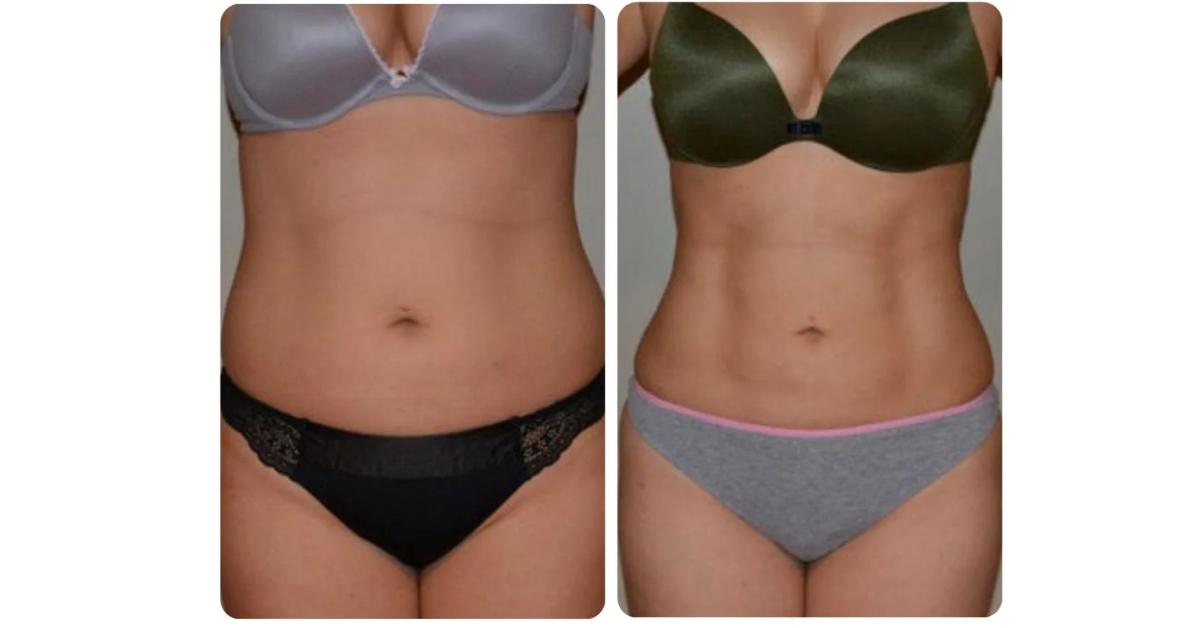
360 High-Definition Vaser Liposuction Costs in Turkey
Attaining an athletic, toned midsection and a balanced waist-to-hip ratio often presents a biological hurdle that diet and exercise alone cannot overcome. Even dedicated fitness enthusiasts frequently encounter hormonally stubborn fat deposits distributed circumferentially around the lower abdomen, flanks ("love handles"), and lower back. When conventional liposuction was introduced, it focused almost exclusively on debulking—removing large pockets of deep fat through mechanical force, which...
Read More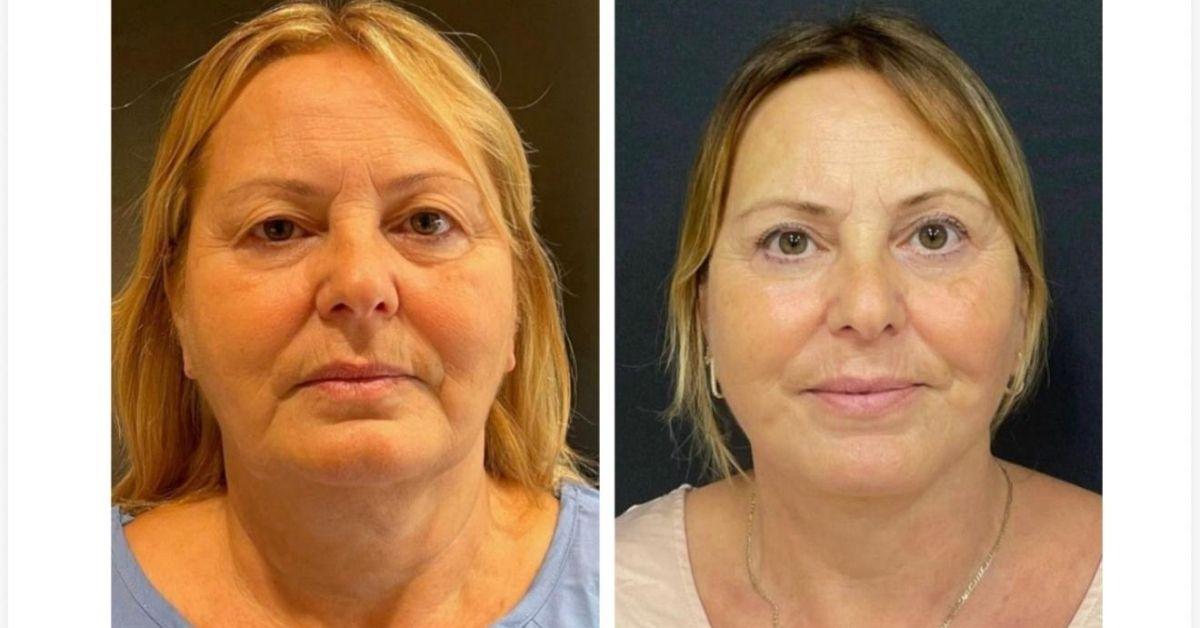 Facelift
November 10, 2026
Deep Plane Facelift in Turkey: Real Recovery and Costs Guide
Aging across the lower two-thirds of the face is an intricate anatomical process. While dermal fillers and non-invasive energy devices provide temporary improvements in early stages, they cannot overcome the structural descent of deeper facial tissues. Over time, facial retaining ligaments loosen, malar fat pads descend into prominent nasolabial folds, and the superficial musculoaponeurotic system (SMAS) slackens, creating jowls that soften the jawline and blur the angle between the chin and...
Read More Breast Surgery
November 6, 2026
Celebrities With Breast Implants (Boob Job) - Before & After
Balancing body proportions, restoring lost volume, and sculpting feminine curves have driven breast surgery to the forefront of global plastic surgery. For decades, cosmetic interventions in the entertainment and fashion industries were guarded behind non-disclosure agreements and credited exclusively to genetics, padded undergarments, or shifting fitness routines.
Read More