Deep Plane Facelift in Turkey: Real Recovery and Costs Guide
By Nasrin Health Team · November 10, 2026 · 13 min read
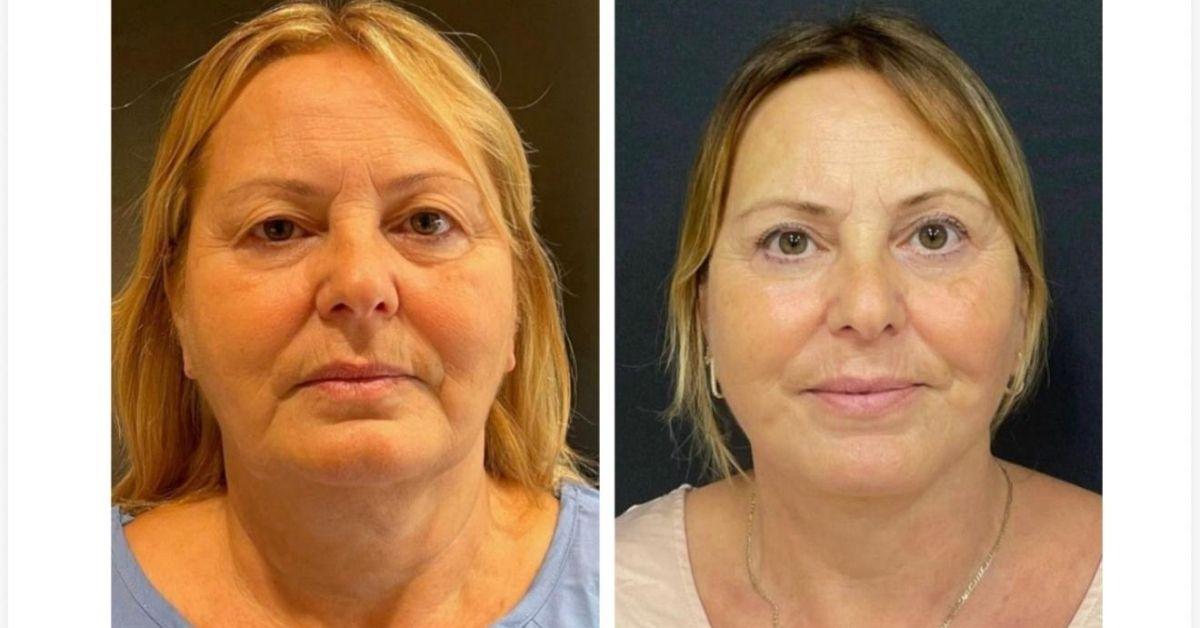
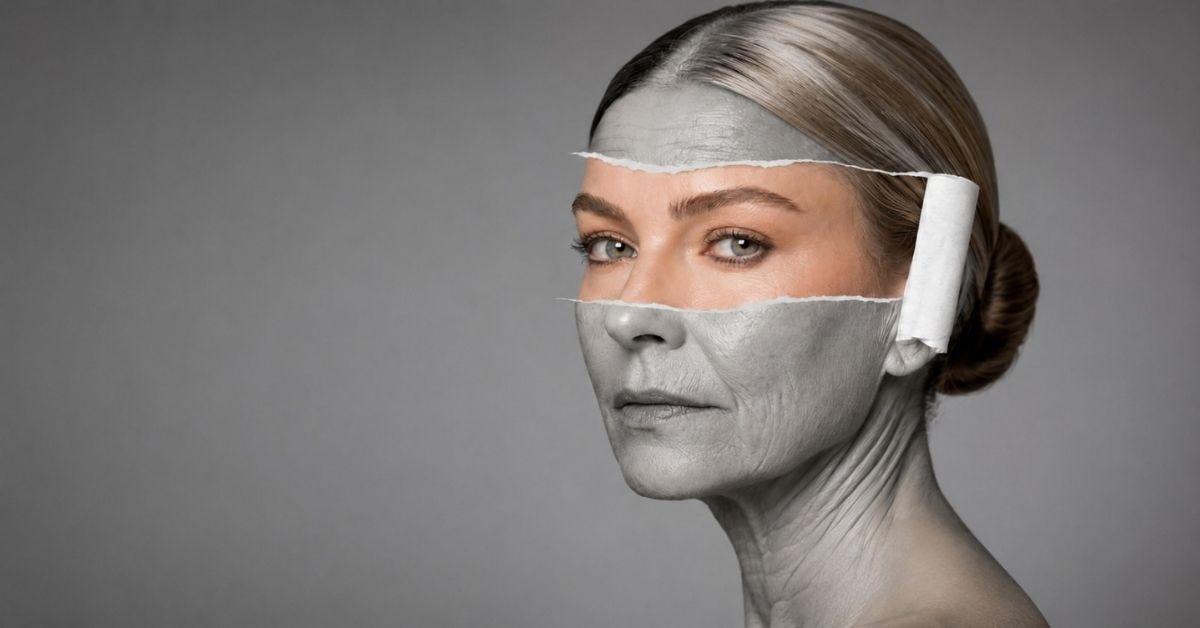
Aging across the lower two-thirds of the face is an intricate anatomical process. While dermal fillers and non-invasive energy devices provide temporary improvements in early stages, they cannot overcome the structural descent of deeper facial tissues. Over time, facial retaining ligaments loosen, malar fat pads descend into prominent nasolabial folds, and the superficial musculoaponeurotic system (SMAS) slackens, creating jowls that soften the jawline and blur the angle between the chin and neck.
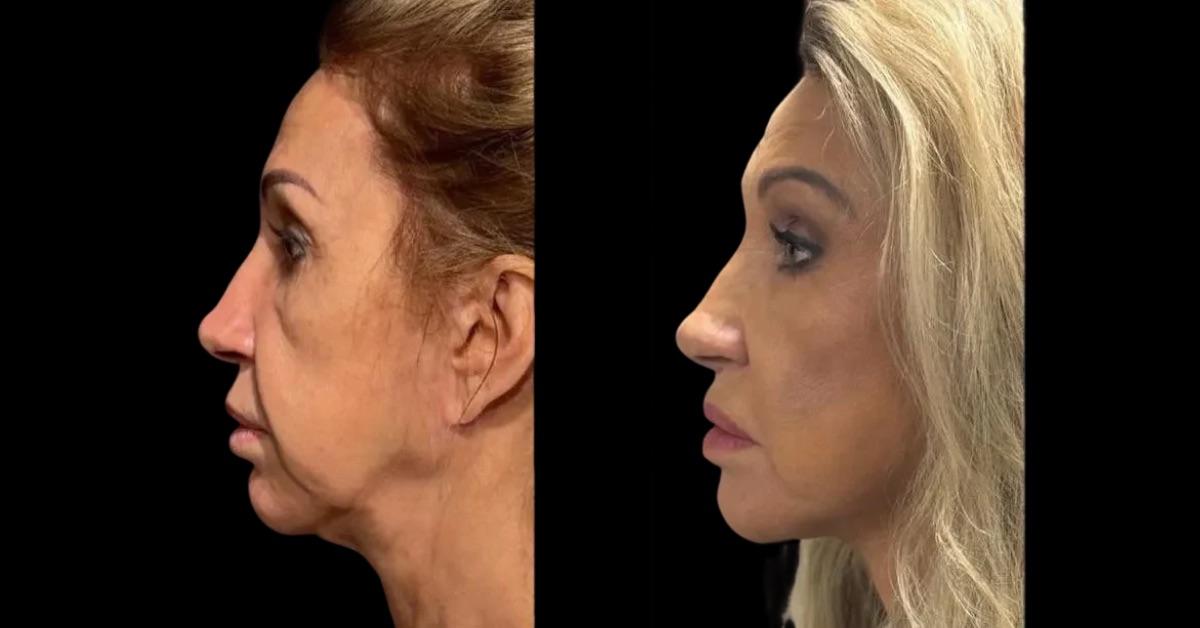
When searching for lasting, natural rejuvenation, the deep plane facelift stands out as the clinical gold standard in facial plastic surgery. By releasing deep structural retaining ligaments rather than pulling taut skin, this advanced technique restores youthful midface volume and creates a crisp jawline without the artificial "wind-blown" look of legacy procedures.
Today, Turkey, and particularly Istanbul, has emerged as a premier global hub for this sophisticated procedure. International patients from the UK, Europe, and North America seek the expertise of high-volume, board-certified facial plastic surgeons operating in internationally accredited facilities, often at a fraction of Western costs.
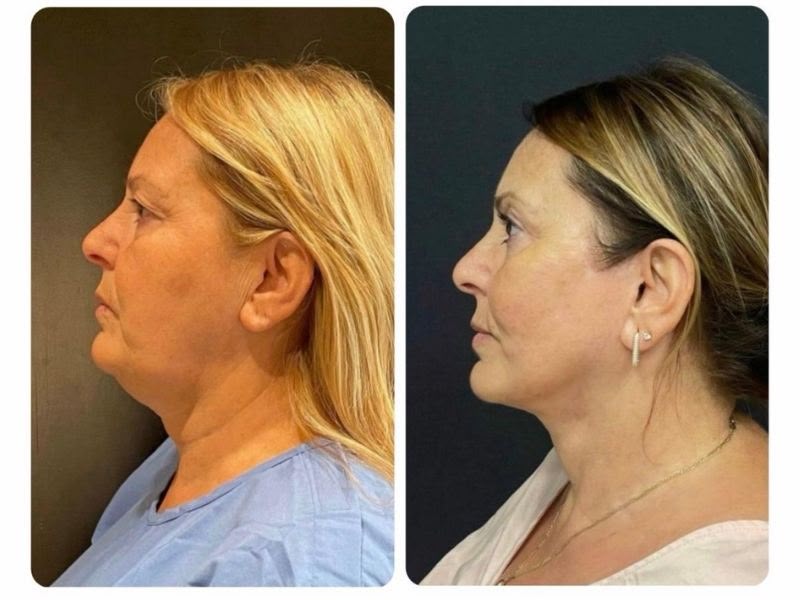
What Is a Deep Plane Facelift? Understanding the Anatomy
A deep plane facelift is an advanced surgical technique where dissection occurs beneath the SMAS layer (the fibrous-muscular envelope supporting facial musculature) rather than separating skin from fat.
In a traditional skin-only or standard SMAS-plication facelift, surgeons separate the skin from the underlying tissue and pull it tight. While this creates initial smoothness, excessive tension on the dermal layer can lead to widened scars, earlobe distortion (such as the "pixie ear" deformity), and an unnatural, flattened appearance.
The deep plane approach operates on a completely different biomechanical principle:
Sub-SMAS Entry: The surgeon enters the anatomical plane beneath the SMAS and platysma muscles.
Ligamentous Release: The key step involves completely releasing the true facial retaining ligaments—namely the zygomatic cutaneous ligaments in the midface and the mandibular retaining ligaments along the jawline.
Tension-Free Composite Repositioning: Once these tethering points are freed, the descended midface fat pads (malar fat pads), cheeks, and jowls glide naturally back into their original, youthful anatomical positions without resistance.
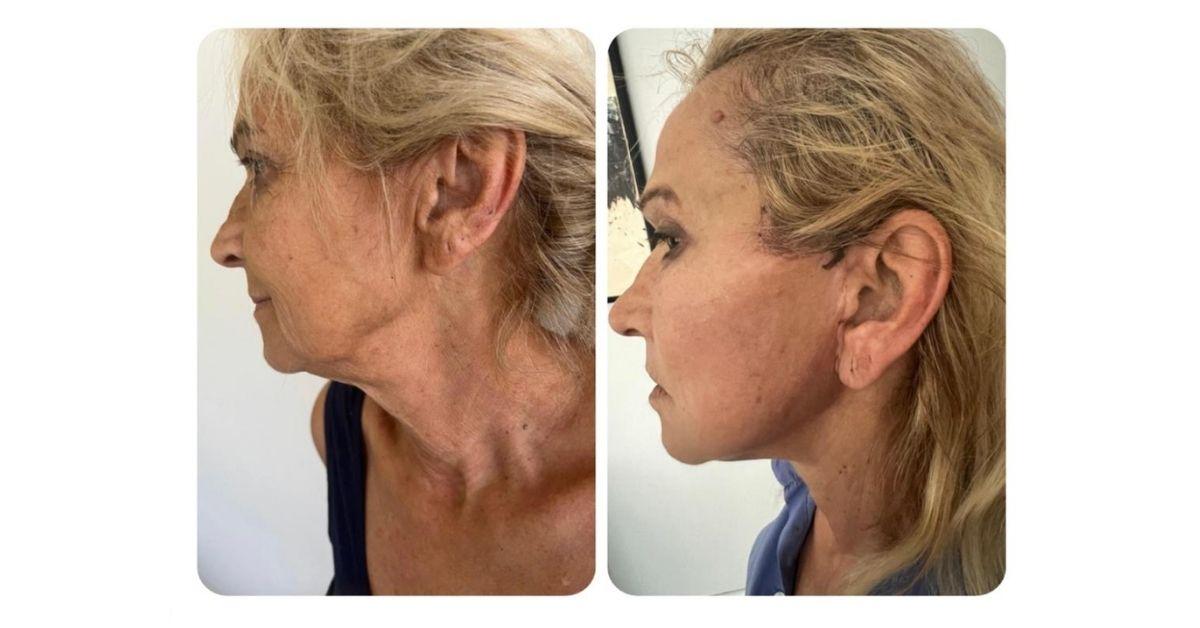
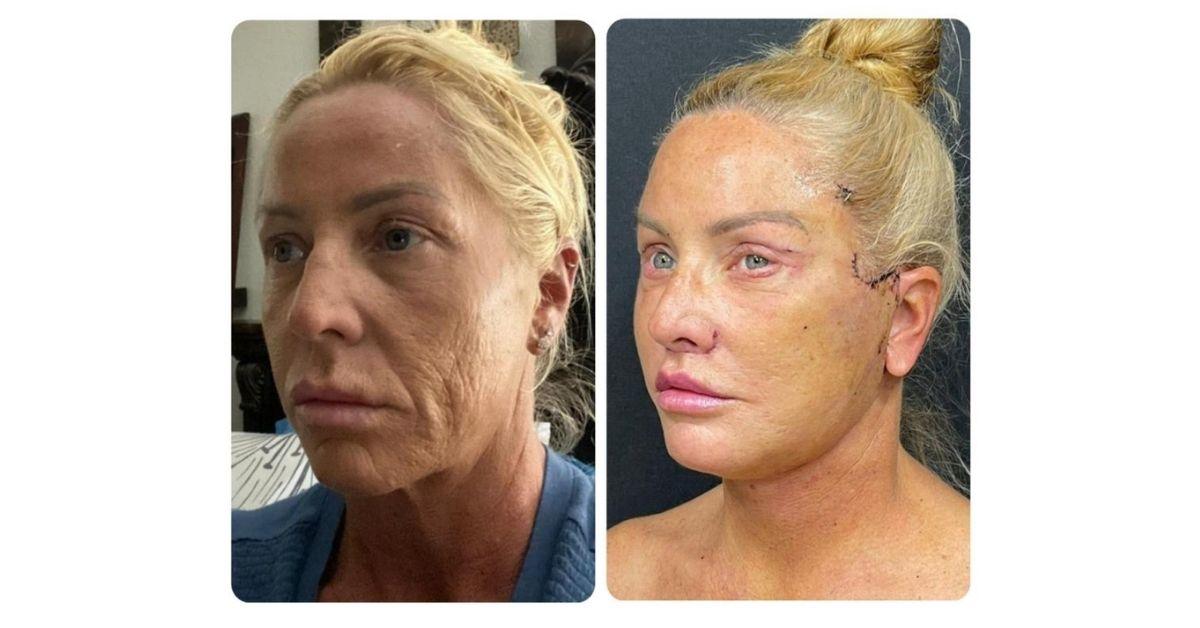
Zero Skin Tension: The repositioned muscle and deep fat carry all structural weight. The overlying skin simply drapes over the restored contours, allowing the surgeon to trim excess tissue without pulling. Incisions heal as faint, virtually invisible lines along the natural folds of the ear and hairline.
Why Choose a Deep Plane Facelift? (Benefits and Advantages)
Choosing the deep plane technique offers clear anatomical and aesthetic benefits:
Restoration of Midface Volume Without Fillers: Unlike standard lifts that only tighten the lower jawline, releasing zygomatic ligaments elevates the descended malar fat pad, naturally replenishing cheek projection and softening heavy nasolabial folds.
True Tension-Free Healing: Because tension rests solely on deep fibrous fascia rather than skin edges, incisions heal smoothly without widening, distortion, or pulling on the tragus and earlobes.
Preservation of Microcirculation: Leaving the skin attached to the underlying SMAS preserves the delicate subdermal blood vessel network. This reduces the risk of skin necrosis—a significant benefit for older patients or former smokers—and supports clean tissue healing.
Exceptional Longevity: Because the structural tissues are mobilized and anchored directly to the periosteum and deep fascial framework, results typically endure for 10 to 15 years, significantly outlasting standard superficial procedures.
Authentic Emotional Expression: The deep plane procedure avoids pulling against the muscles of facial expression. Patients maintain natural animation, smiling, talking, and laughing without feeling tight or looking altered.
Who Is an Ideal Candidate (and Who Should Reconsider)?
The deep plane facelift is a transformative procedure, but careful candidate selection is essential for optimal safety and satisfaction.
Patient Category | Ideal Candidate Characteristics | Factors Requiring Postponement or Caution |
Age Range | Typically 40 to 75+ years with noticeable structural descent | Patients under 35 with minimal tissue laxity better suited for preventative care |
Anatomical Presentation | Moderate-to-severe jowls, dropped midface, deep marionette lines, neck laxity | Isolated skin surface wrinkles (sun damage) without underlying muscle descent |
General Health | Controlled blood pressure, non-smoker, good cardiovascular health | Uncontrolled hypertension, active bleeding disorders, severe heart disease |
Tobacco Use | Non-smoker or committed to quitting 4–6 weeks pre- and post-op | Active nicotine use (drastically increases tissue healing risks) |
Expectations | Desires structural restoration and a refreshed, natural baseline | Expects absolute facial asymmetry correction or completely pore-free skin |
Deep Plane Facelift vs. Non-Surgical Medical Aesthetics
Patients frequently ask whether energy-based skin tightening devices (such as High-Intensity Focused Ultrasound/HIFU or Radiofrequency Microneedling) or thread lifts can replicate deep plane results.
Evaluation Metric | Non-Surgical Devices & Thread Lifts | Deep Plane Facelift Surgery |
Mechanism of Action | Micro-thermal injury to stimulate superficial collagen; temporary barb suspension | Complete surgical release of true facial retaining ligaments & structural muscle re-anchoring |
Midface & Jowl Correction | Minimal to subtle; limited to mild skin laxity | Dramatic; repositioning descended malar fat pads and eliminating severe jowling |
Procedure Duration | 45 to 90 minutes (In-clinic) | 3.5 to 5 hours (Under general anesthesia in an accredited hospital) |
Durability of Results | 6 to 18 months; requires ongoing repeat sessions | 10 to 15 years of permanent anatomical repositioning |
Internal Scarring | Can cause deep subcutaneous fibrosis, complicating future surgeries | Clean anatomical dissection along natural avascular planes |
While medical aesthetics excel at maintaining skin texture, pore refinement, and surface glow, only surgical intervention can reposition descended muscle and deep fat pads once true ligamentous laxity occurs.
How the Surgery Is Performed: Step-by-Step
Understanding the operative steps helps demystify the surgical experience:
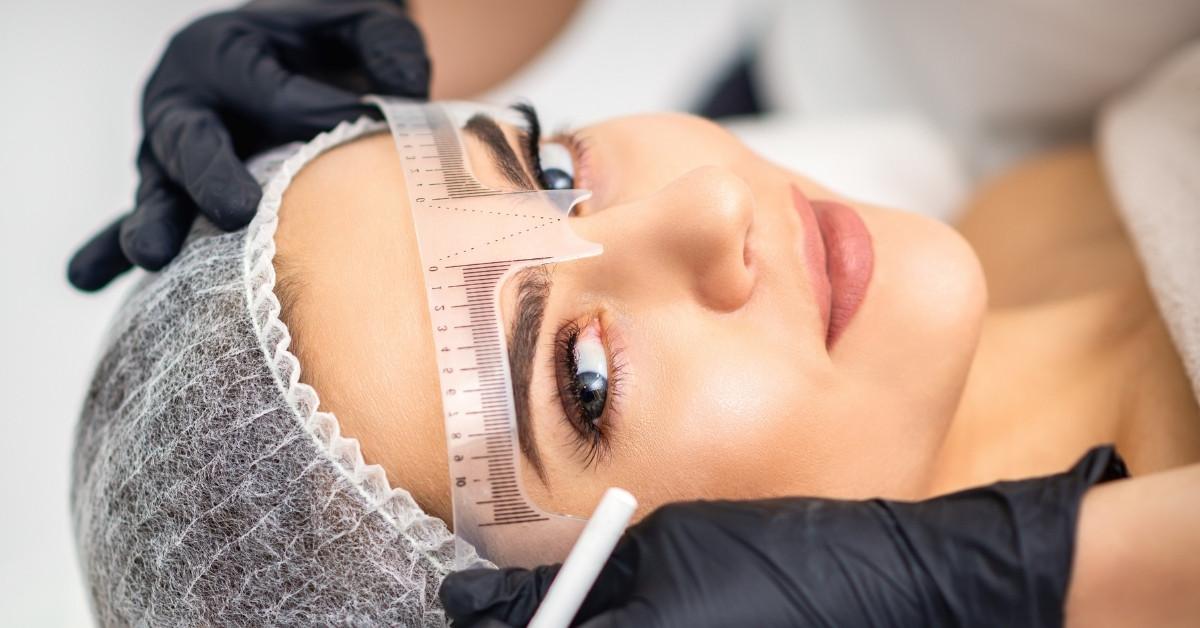
Pre-Operative Vector Marking: While the patient is seated upright, the surgeon maps facial contours, vector angles, natural skin creases, and planned incision lines around the ear.
Anesthesia & Tumescent Infiltration: The procedure is performed under general anesthesia in a fully equipped hospital. A specialized vasoconstrictive solution is infiltrated to minimize blood loss and ensure patient safety.
Incision Placement: Incisions follow the natural curvature of the temporal hairline, curve along the anterior border of the tragus (often hidden inside the ear canal as a retrotragal incision), wrap around the earlobe, and extend into the retroauricular sulcus.
Sub-SMAS Dissection & Ligament Release: The surgeon enters the deep sub-SMAS plane and releases the zygomatic, masseteric, and mandibular retaining ligaments.
Cervical (Neck) Integration: When paired with a deep neck lift, a tiny submental incision under the chin allows access to the platysma muscle bands, which are sutured along the midline (platysmaplasty) to restore a sharp, 90-degree neck angle.
Vector Suspension & Closure: The deep structural composite flap is suspended vertically and anchored securely to dense temporal and mastoid fascia. Excess skin is redraped, trimmed without tension, and closed with micro-sutures. Thin suction drains and a soft compressive dressing are applied.
Real Recovery Timeline: What Healing Actually Looks Like
Healing from a deep plane facelift is a gradual biological journey. Understanding each phase helps you prepare mentally and physically for recovery.
Recovery Phase | Typical Duration | Physical Sensations & Biological Milestones |
Phase 1: Acute Healing | Days 1 – 3 | Peak swelling and bruising; tight sensation around neck and jaw; surgical drains removed on Day 1 or 2; head elevated at 30–45 degrees. |
Phase 2: Early Social Milestones | Days 4 – 7 | Swelling begins to subside; external sutures removed around Day 6 or 7; daily hair washing with gentle antiseptic shampoo permitted. |
Phase 3: Social Emergence | Days 8 – 14 | 60% of visible bruising and swelling resolves; patients comfortably enjoy light outdoor strolls; fit-to-fly clearance granted for travel home. |
Phase 4: Returning to Routine | Weeks 3 – 6 | 80% to 85% of swelling resolved; jawline sharpness becomes visible; light gym exercise and desk work resume; temporary skin numbness begins resolving. |
Phase 5: Final Maturation | Months 3 – 12 | Deep tissue healing completes; scars mature into faint, skin-toned lines; natural sensation and soft tissue mobility fully normalize. |
Preparation and Aftercare Protocols (Before & After Surgery)
Before Your Surgery
Medication Review: Discontinue aspirin, ibuprofen, vitamin E, omega-3 supplements, and herbal teas 14 days prior to surgery, as these thin the blood and elevate hematoma risks.
Nicotine Cessation: Completely halt all smoking, vaping, and nicotine gums at least 4 to 6 weeks before and after surgery to protect microvascular blood flow.
Nutritional Preparation: Focus on protein-dense meals, leafy vegetables, and adequate hydration to support collagen synthesis.
After Your Surgery
Sleep Position: Sleep on your back with your head elevated on two to three pillows for the first 3 weeks to encourage lymphatic drainage.
Activity Restrictions: Avoid vigorous workouts, heavy lifting (over 5 kg), and bending forward at the waist for 4 weeks to keep blood pressure stable across facial capillaries.
Sun Protection & Scar Care: Shield incision sites from direct sunlight using broad-spectrum SPF 50+ and wide-brimmed hats. Once sutures are removed, silicone scar gels support optimal scar maturation.
Deep Plane Facelift Costs: Turkey vs. UK, US, and Europe
Cost is a major consideration for international patients. In the United States, the UK, and Western Europe, deep plane facelifts carry high price points due to substantial surgeon fees, private hospital theater rentals, and separate anesthesiology billing.
In contrast, Turkey offers transparent, all-inclusive medical travel packages that include hospital care, hotel accommodations, and local transfers—at 50% to 70% less than Western rates.
Country / Region | Average Procedure Cost | Typical Package Inclusions |
United States (NYC / Beverly Hills) | €16,500 – €32,000 ($18,000 – $35,000+) | Surgeon fee only; operating room, anesthesia, and recovery billed separately |
United Kingdom (Harley Street, London) | €11,500 – €19,000 (£10,000 – £16,000) | Consultation and surgical fee; overnight private hospital stays billed extra |
Germany / Switzerland | €12,000 – €22,000 | Clinic fee; specialized follow-up care often billed per session |
Turkey (Istanbul Nasrin Health) | €4,550 – €9,100 | Full comprehensive package: Hospital stay, general anesthesia, 4/5-star hotel, VIP transfers, medications, and bilingual coordination |
Why Is Turkey More Affordable Without Sacrificing Quality?
The cost advantage in Turkey is driven by broader economic factors rather than clinical compromises:
- Lower operational overhead, hospital facility costs, and favorable exchange rates compared to the Euro, British Pound, and US Dollar.
- A competitive health tourism ecosystem strictly regulated by the Turkish Ministry of Health, which sets comprehensive standards for safety, pricing transparency, and patient care.
- Highly experienced surgeons who perform high volumes of complex facial procedures each year, building exceptional clinical efficiency and refined surgical judgment.
Why Istanbul, Turkey Is a World Capital for Facial Surgery
Istanbul stands as a leading global center for specialized facial plastic surgery, combining rich cultural heritage with world-class medical infrastructure:
High Surgical Volume: Turkish plastic and ENT surgeons specialize in dedicated sub-fields of facial aesthetics, routinely handling hundreds of complex primary and revision procedures annually.
Internationally Accredited Hospitals: Operations take place within modern, multi-specialty hospitals holding prestigious JCI (Joint Commission International) and ISO certifications, equipped with intensive care units and advanced surgical technologies.
Seamless Travel Logistics: Istanbul's strategic location bridges Europe, the Middle East, and North America. Direct flights connect major international airports to Istanbul Airport (IST), making medical travel convenient and accessible.
Dedicated International Patient Care: Leading clinics provide multilingual coordinators, private airport-hotel-hospital transfers, and full-service post-operative support, ensuring a stress-free recovery abroad.
Frequently Asked Questions (F.A.Q)
1. How long do I need to stay in Istanbul for a deep plane facelift?
Patients should plan to stay in Istanbul for 7 to 10 nights. This window allows for pre-operative consultations, your hospital stay (typically 1 to 2 nights), drain removal, healing assessments, external suture removal on Day 6 or 7, and your final "fit-to-fly" clinical clearance before returning home.
2. Will a deep plane facelift change my facial expression or make me look "wind-blown"?
No. The wind-blown look occurs when surgeons separate the skin and pull it tight under tension. In a deep plane facelift, the structural work takes place entirely beneath the muscle layer. Because the facial retaining ligaments are released, muscles return to their youthful positions naturally, leaving the skin draped softly without tension and preserving your authentic expressions.
3. How long do the results of a deep plane facelift last?
Results typically last 10 to 15 years. While surgery cannot stop natural biological aging, resetting your deep structural foundation means your facial contours will always look roughly 10 to 12 years younger than if you had never undergone the procedure.
4. Can a deep plane facelift be combined with other facial surgeries?
Yes. Deep plane facelifts are frequently combined with a deep neck lift (platysmaplasty) for complete lower-face harmony. Many patients also add upper or lower blepharoplasty (eyelid surgery) to address tired eyes, a lip lift to restore upper-lip youthfulness, or autologous facial fat grafting to restore delicate orbital and temple hollows.
5. Is the procedure painful?
Most patients report feeling a sensation of tightness, swelling, and mild aching rather than acute pain. Any post-operative discomfort is well-managed with prescribed oral pain relievers and anti-inflammatory medications during the first 3 to 5 days. Temporary numbness around the cheeks, jawline, and ears is completely normal and gradually resolves over 6 to 12 weeks as micro-sensory nerves heal.
A Premium Experience with Nasrin Health
Undergoing facial rejuvenation abroad is an important personal journey that requires surgical precision, clinical safety, and attentive support. Nasrin Health coordinates your entire medical travel experience in Turkey into a smooth, transparent, and medically secure process.
From your initial digital photos and virtual consultation to your final in-person checkup in Istanbul, our coordinators manage every operational detail. We provide direct access to Istanbul's leading board-certified plastic and facial surgeons, modern JCI-accredited surgical hospitals, vetted luxury hotel accommodations, private VIP airport-hotel-clinic transfers, and dedicated bilingual coordinators who assist you throughout your appointments.
Empowering Your Personal Transformation
Deciding to rejuvenate your facial contours, restore your jawline, and renew your self-confidence is an empowering milestone. Ensuring clinical safety, natural-looking aesthetics, and peace of mind requires a compassionate, experienced team that prioritizes patient-first care. Nasrin Health is dedicated to serving as your trusted organizational partner throughout this journey.
Transparency Commitment: Nasrin Health is a licensed international health tourism agency based in Istanbul. Our role is organizational and consultative—connecting your aesthetic objectives with Turkey's leading board-certified plastic surgeons and JCI-accredited surgical hospitals. We coordinate clinical bookings, luxury accommodations, and private VIP transfers so you can dedicate your full attention to rest, recovery, and revitalization.
Disclaimer: This guide is intended solely for educational and informational purposes and does not substitute for professional medical advice, diagnosis, or personalized surgical consultation. Individual surgical outcomes, tissue healing, and recovery timelines depend on personal baseline anatomy, skin elasticity, overall health, and strict adherence to post-operative instructions. Nasrin Health operates strictly as an authorized intermediary health tourism agency.
You May Also Like
 Rhinoplasty
November 17, 2026
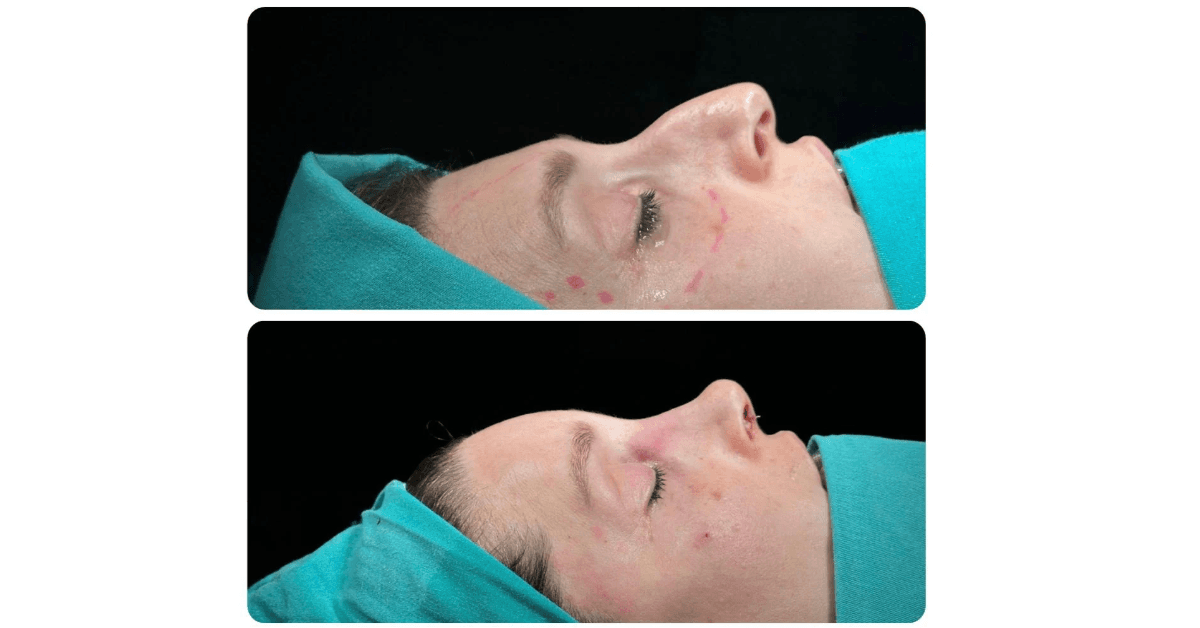
Preservation Rhinoplasty Turkey: Best Natural Results Guide
For decades, aesthetic nasal surgery relied on a destructive approach: breaking down the bridge of the nose with rasps and chisels, removing bone and cartilage from the top, and attempting to rebuild the roof afterward. While effective at reducing size, this traditional method frequently left behind unnatural slopes, visible bumps as swelling subsided, or long-term breathing difficulties caused by collapsed internal nasal valves.
Read More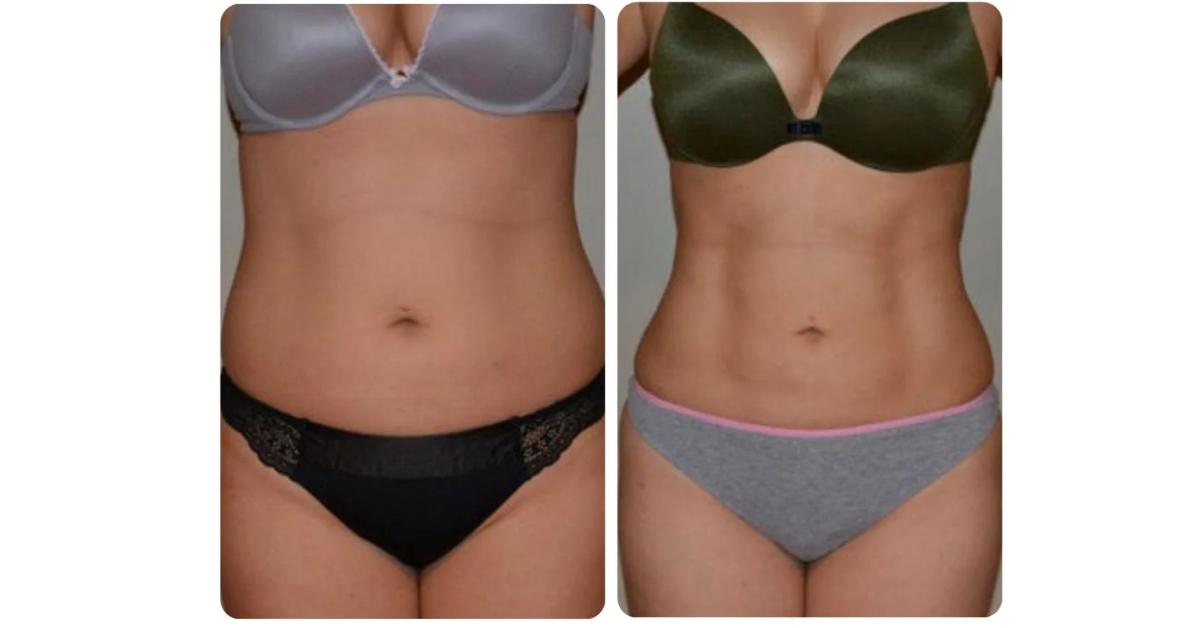 Body Contouring
November 12, 2026
360 High-Definition Vaser Liposuction Costs in Turkey
Attaining an athletic, toned midsection and a balanced waist-to-hip ratio often presents a biological hurdle that diet and exercise alone cannot overcome. Even dedicated fitness enthusiasts frequently encounter hormonally stubborn fat deposits distributed circumferentially around the lower abdomen, flanks ("love handles"), and lower back. When conventional liposuction was introduced, it focused almost exclusively on debulking—removing large pockets of deep fat through mechanical force, which...
Read More Breast Surgery
November 6, 2026
Celebrities With Breast Implants (Boob Job) - Before & After
Balancing body proportions, restoring lost volume, and sculpting feminine curves have driven breast surgery to the forefront of global plastic surgery. For decades, cosmetic interventions in the entertainment and fashion industries were guarded behind non-disclosure agreements and credited exclusively to genetics, padded undergarments, or shifting fitness routines.
Read More